
-
NICHOLAS LANIER

Portrait of Nicholas Lanier, London, 1613. Heralded by Sir Roy Strong as the most important discovery in early English portraiture in a century, it was my privilege to examine the painting before and during conservation after its acquisition by the Weiss Gallery in London. The painting became the subject of a scholarly monograph Nicholas Lanier: A…
-
PETRUS RAUTTA

English cittern, Southwark, circa 1620. The cittern was a mainstay of domestic music in the sixteenth and seventeenth centuries but remarkably few examples survive. Surprisingly it was the English, rather than the Italians that made the best use of the instrument with highly virtuosic repertoire emerging out of the Elizabethan era. As early as 1618…
-
KOERNER HALL
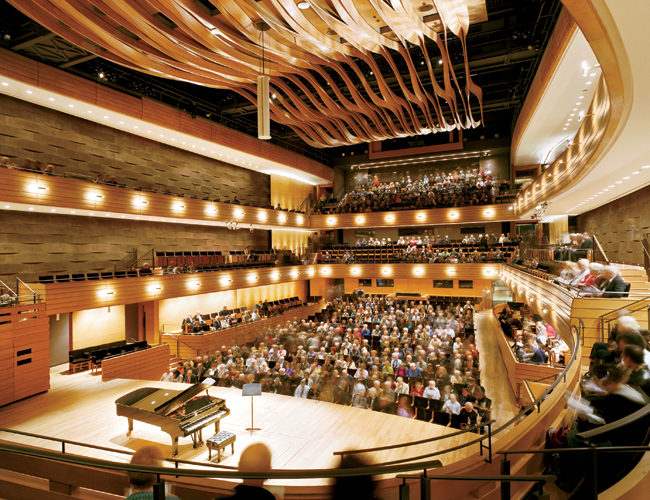
Consultation services for a public instrument collection. We provided valuations, and curatorial services for the donation of a musical instrument collection to the Royal Conservatory of Music in Toronto, gifted as part of a philanthropic benefaction to the conservatoire that included the funding of the Koerner concert hall. The collection is on display in the…
-
RICHARD MEARES
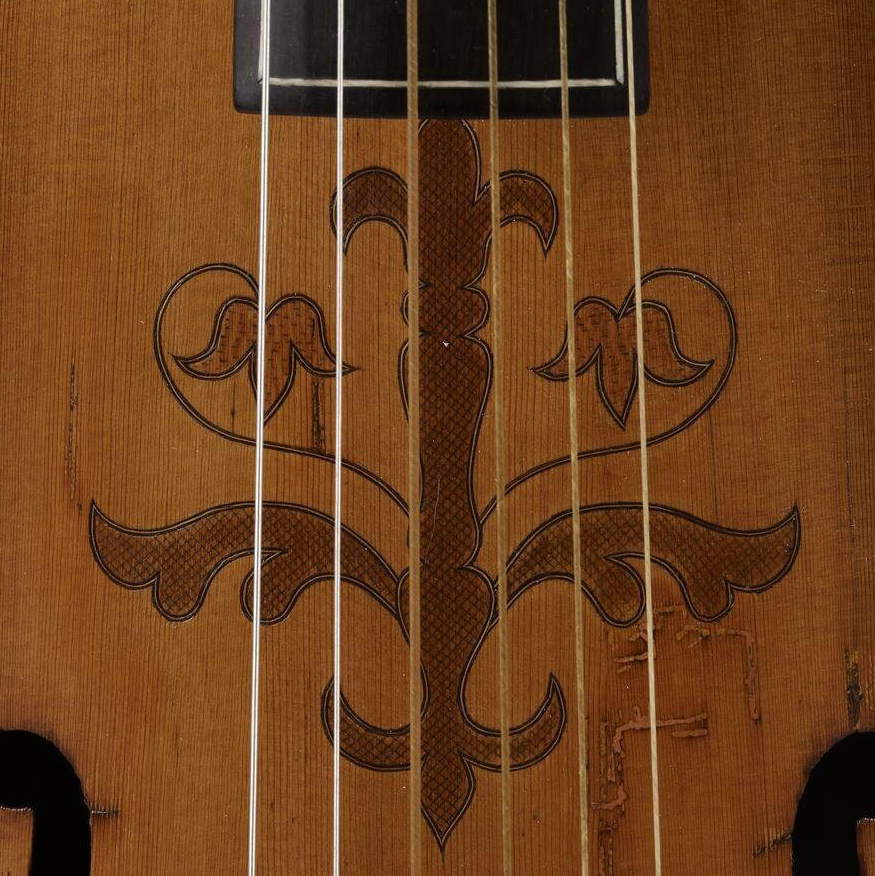
Bass viol, London, 1677. I had long overlooked this viol described in the 1960s catalogue as a composite and when it was last on display it languished against a wall so that the back was impossible to see, but despite its drawbacks, it was the best fit for the new hanging of the British Galleries…
-
ANTONIO STRADIVARI
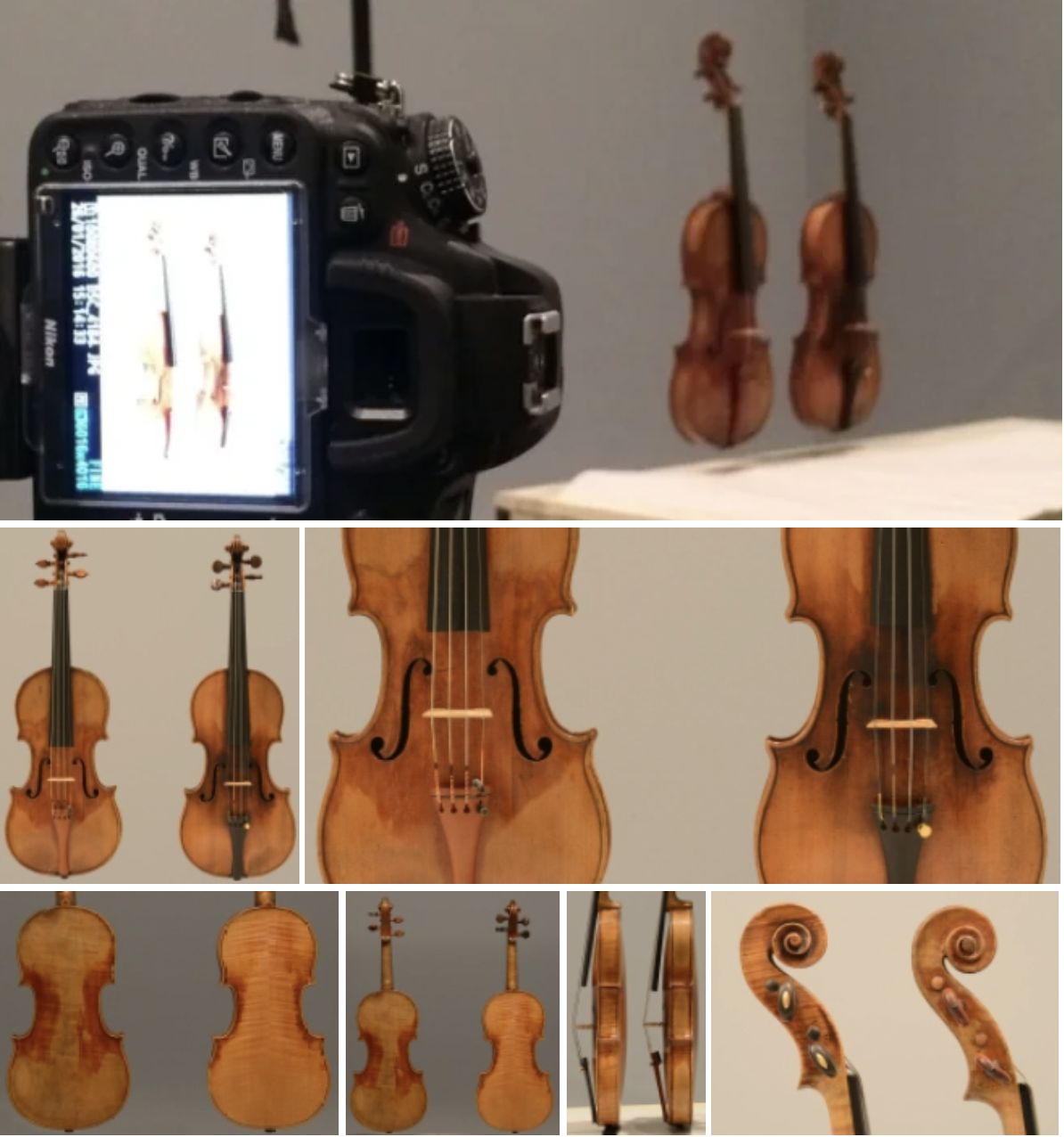
Provenance research relating to the Longuet, 1692. When researching a violin in our stock by the Edinburgh maker, Matthew Hardie, we became aware of the similarities of the violin to the description of a copy made of Pierre Alday’s Stradivari which seemed to conclusively fit our instrument. At the same time, our attention turned to…
-
RALPH AGUTTER
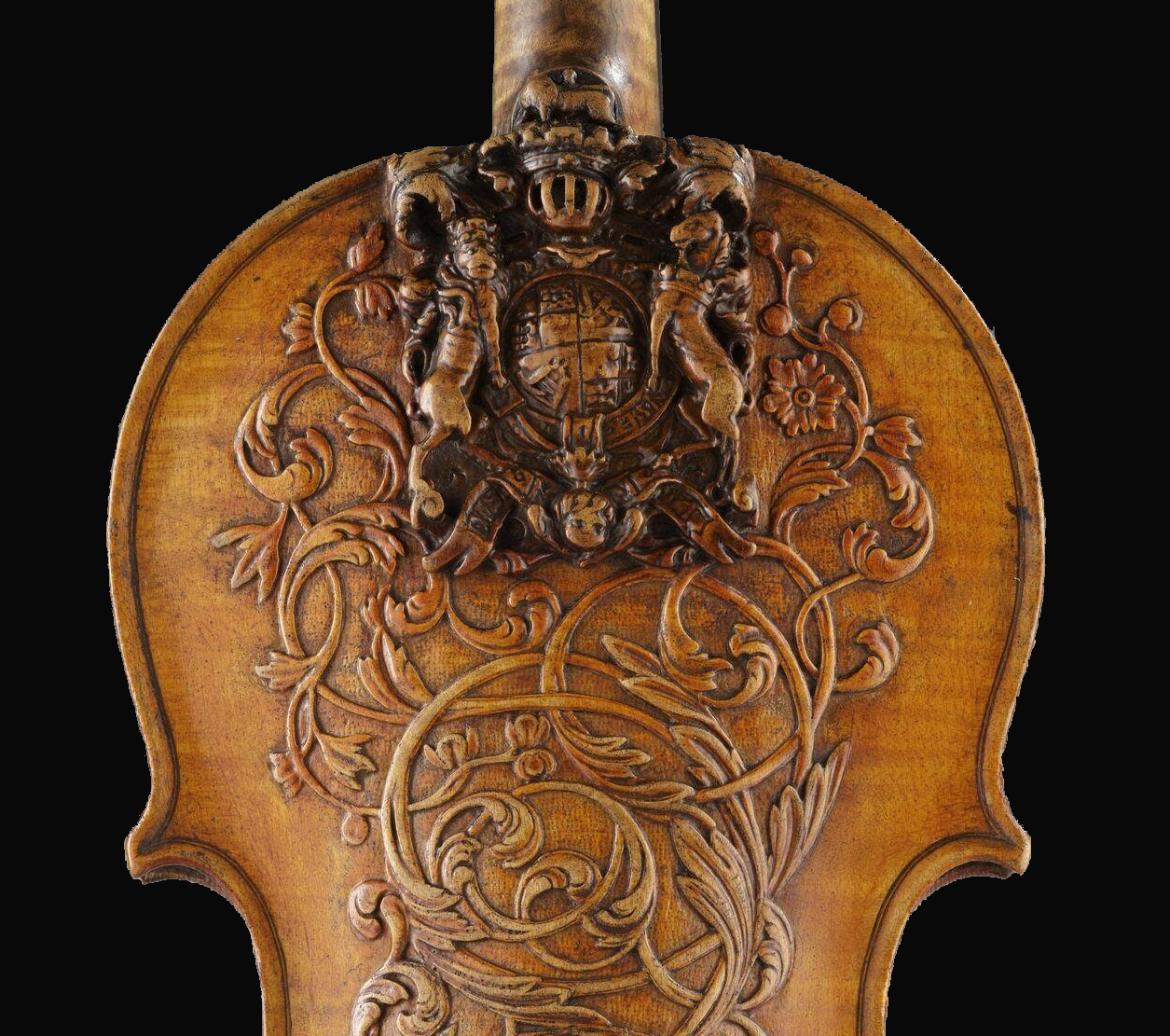
The King James II Violin, London, circa 1685. I was thrilled to be consulted for the re-hanging of the British Galleries of the Victoria and Albert Museum in 2022, which meant selecting suitable musical instruments for the exhibition and providing the necessary conservation work to stabilise them for display. I suspect that Ralph Agutter’s violin…
-
DANIEL ACHATIUS STADLMANN

Mute viola d’amore, Vienna, circa 1750. Stadlmann is most remarkable for his direct engagements with the court of Prince Esterházy, who played a Baryton made by him in 1750. Thus he is intimately connected to the musical world of Joseph Haydn who spent many years under the prince’s employment. Separately Stadlmann has a much deserved…
-
ANTONIO STRADIVARI

Tailpiece for the Lady Blunt, Cremona, 1721. Sometimes the most unexpected things appear before your eyes, as was the case at the Musée de la Musique in Paris, where the collection includes various old fittings gifted to the museum by Jean-Baptiste Vuillaume in the nineteenth cenutry. A remarkable feature of the Lady Blunt violin of…
-
ANDREA AMATI
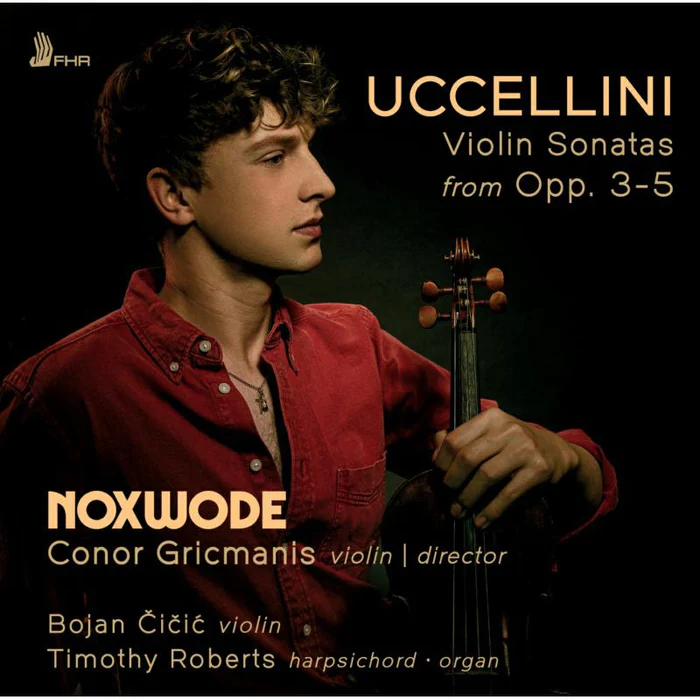
Marco Uccellini’s sonatas and an Andrea Amati of 1572 Precisely four-hundred-and-fifty years after it was made, it was thrilling to make a new discovery of a labelled and dated Andrea Amati violin from 1572. There are slightly less than two dozen Andrea instruments in existence, so whilst it is a battered and compromised example, it…
-
JOSEPH MERLIN
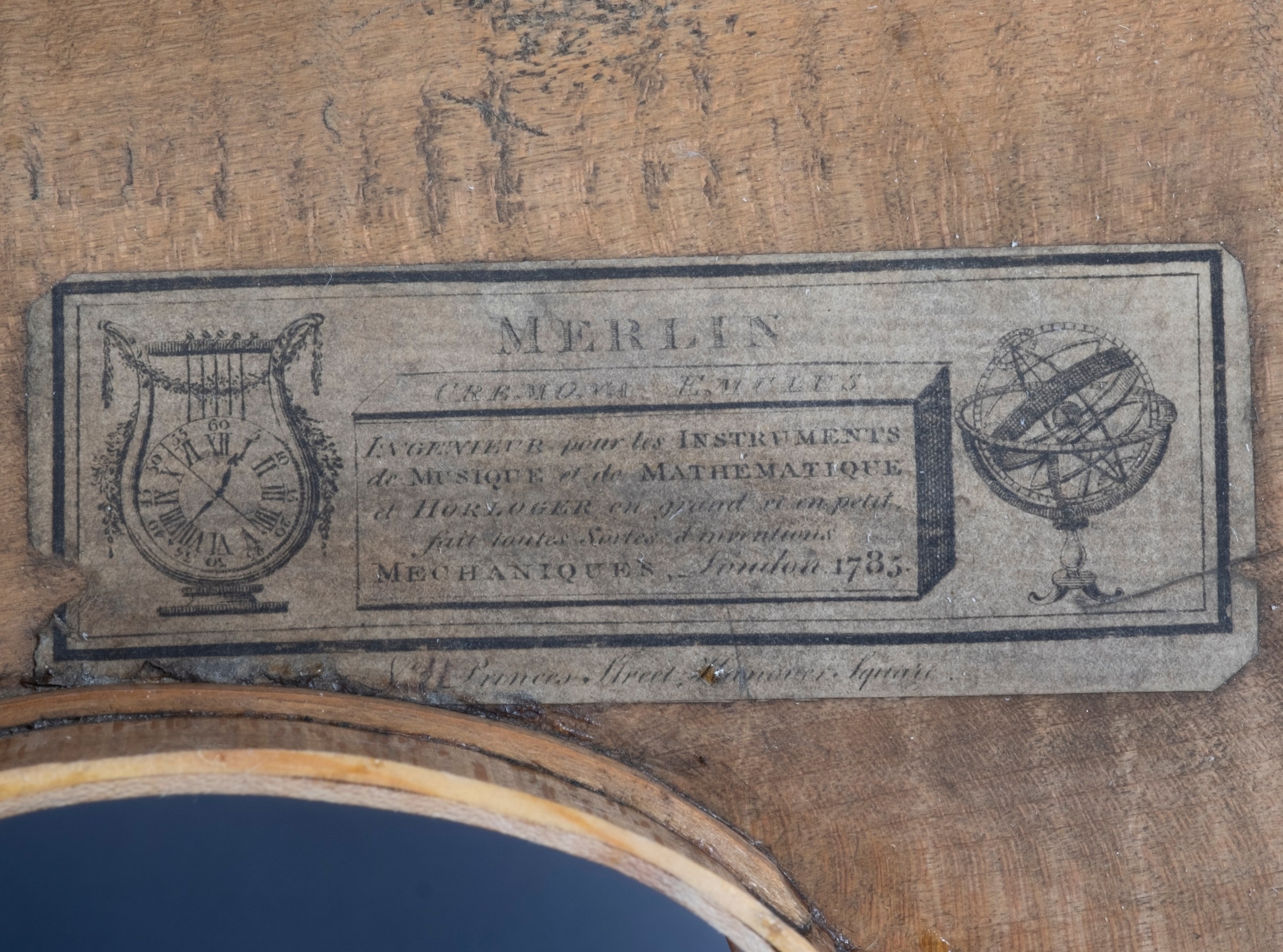
Violin, viola and cello, London, 1785. Joseph Merlin may be most famous for the ingenious silver swan that survives at the Bowes Museum in Castle Barnard, County Durham. He invented the roller skates, and debuted them whilst showing off improvements he had made to a violin of his own design, though he omitted to invent…
-
JEAN-BAPTISTE CRAMER
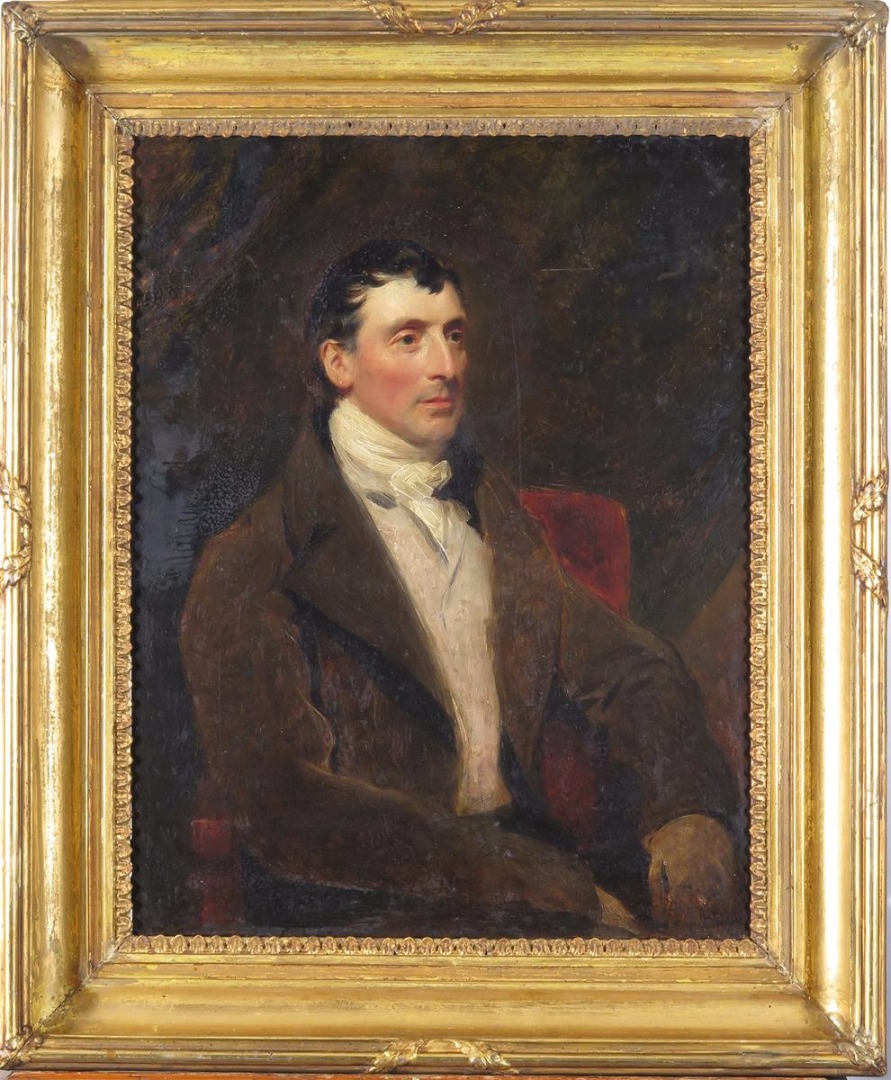
The George Henry Harlow portrait, London, 1818. The portrait, long identified as the Duke of Wellington because of a provenance of ownership by descent from his own collection is of the pianist and music publisher J.B. Cramer, and a miniature version of the same painting survives in the National Portrait Gallery in London. Cramer gained…
-
HER MAJESTY’S CHAPEL ROYAL
Viola by Jacob Rayman, Southwark, 1641. There is compelling evidence that the small group of violins and violas made by Jacob Rayman in 1641 were intended for the use of the musicians of the Chapel Royal under the reign of King Charles I. These represent the earliest violin-family instruments of modern form that exist from…
